Chinese Calligraphy, Uncategorized
The Art of Chinese Calligraphy: A Timeless Tradition with Powerful Benefits”

Mar
Chinese calligraphy is one of the most revered art forms in Chinese culture, embodying both artistic expression and deep philosophical meaning. With a history spanning over 3,000 years, it remains a cornerstone of Chinese heritage, influencing aesthetics, personal development, and cultural identity.
A Brief History of Chinese Calligraphy
Origins in Ancient China
Chinese calligraphy traces its origins to the Shang Dynasty (1600–1046 BCE) when inscriptions were carved onto oracle bones for divination purposes. These primitive symbols laid the foundation for the evolution of Chinese characters.
The Development of Calligraphic Scripts
Over centuries, various script styles emerged, each reflecting different historical and cultural shifts:
Seal Script (篆书, Zhuànshū) – Developed during the Zhou Dynasty (1046–256 BCE), this script features rounded, uniform strokes and was used for official inscriptions.
Clerical Script (隶书, Lìshū) – Originating in the Han Dynasty (206 BCE–220 CE), this style was widely adopted for administrative documents due to its ease of writing.
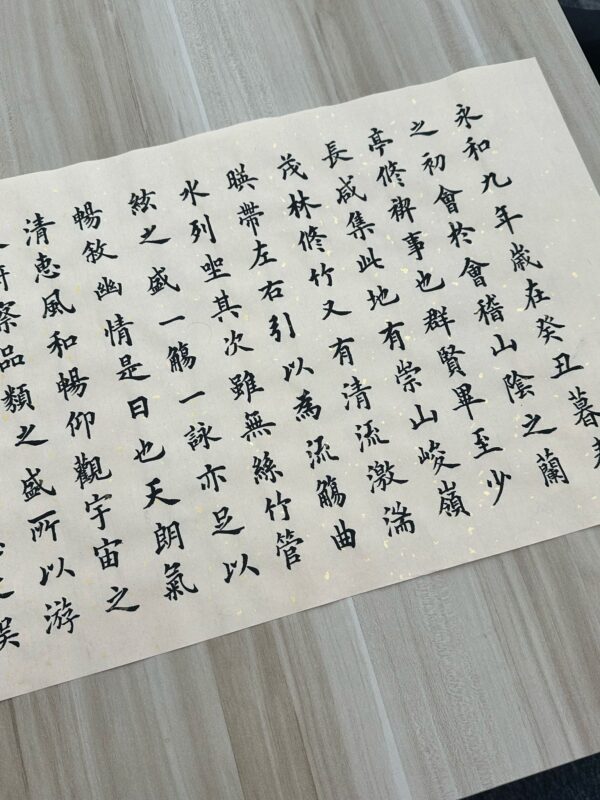
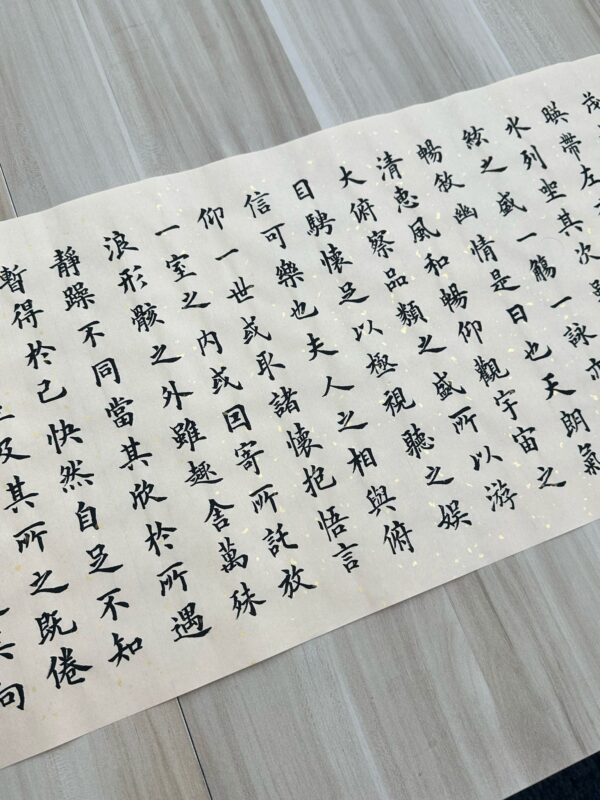
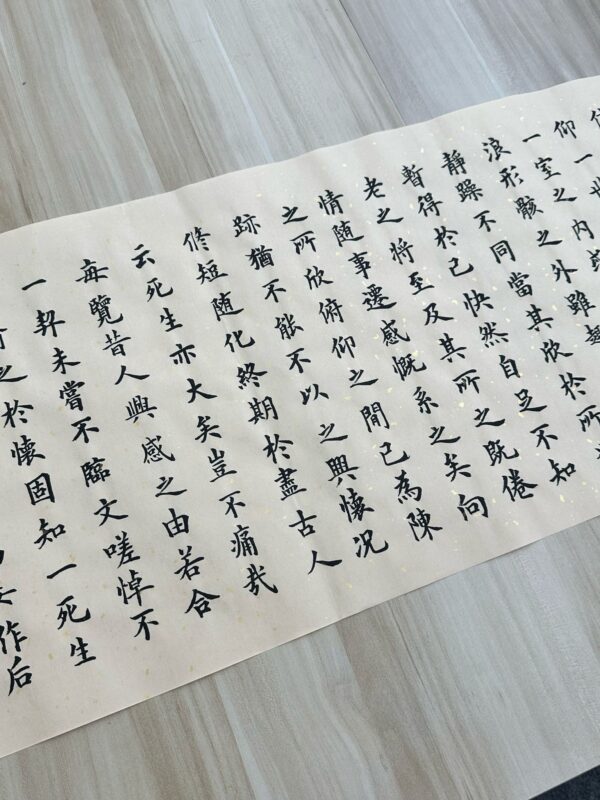
Regular Script (楷书, Kǎishū) – Established during the Eastern Jin Dynasty (317–420 CE), this form became the standard for formal writing and is still widely used today.
Running Script (行书, Xíngshū) – A semi-cursive form that balances readability and fluidity, making it popular among scholars.
Cursive Script (草书, Cǎoshū) – Highly expressive and free-flowing, this style prioritizes speed and artistic flair over legibility.
Throughout Chinese history, calligraphy was not only a means of communication but also an esteemed scholarly pursuit, practiced by emperors, poets, and intellectuals.
The Benefits of Learning Chinese Calligraphy
Chinese calligraphy is more than an artistic skill; it provides profound cognitive, emotional, and physical benefits.
1. Enhances Focus and Patience
Practicing calligraphy requires careful attention to detail, stroke order, and balance. This cultivates mindfulness and patience, making it a form of meditative practice.
2. Improves Hand-Eye Coordination
Holding a brush correctly and executing precise strokes enhances fine motor skills and coordination, which is especially beneficial for young learners.
3. Strengthens Cultural Appreciation
Calligraphy is deeply intertwined with Chinese philosophy, poetry, and aesthetics. Learning this art fosters a greater appreciation of Chinese culture and history.
4. Develops Creativity and Artistic Expression
Calligraphy allows individuals to express emotions through brushwork. The variation in stroke intensity, speed, and structure makes it a deeply personal art form.
5. Enhances Language and Literacy Skills
For learners of the Chinese language, practicing calligraphy reinforces character recognition, stroke order, and better memory retention of Chinese characters.
6. Promotes Mental Well-Being
The rhythmic motion of brush strokes and the concentration required create a calming effect, helping to reduce stress and anxiety.
Chinese calligraphy is a timeless art that continues to inspire and educate generations. Beyond its aesthetic beauty, it provides significant cognitive and emotional benefits, making it a valuable practice for people of all ages. Whether for artistic expression, language learning, or mindfulness, the art of Chinese calligraphy offers a profound and enriching experience.
By understanding and practicing calligraphy, individuals can connect with a centuries-old tradition while developing valuable personal skills. Whether you are a student, an artist, or simply a cultural enthusiast, embracing this ancient art form can lead to both personal growth and a deeper appreciation of Chinese heritage.